Why We Use Carbon Fiber for Food Heating
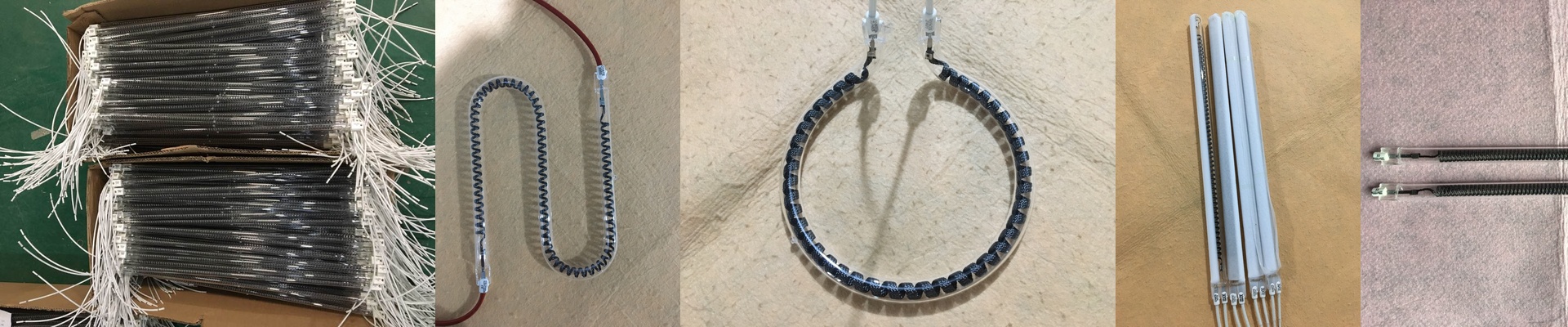
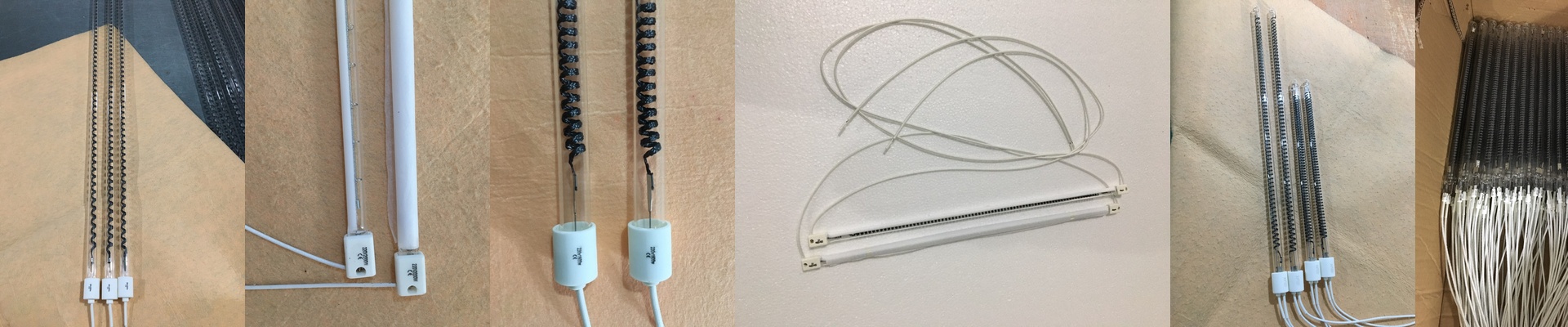
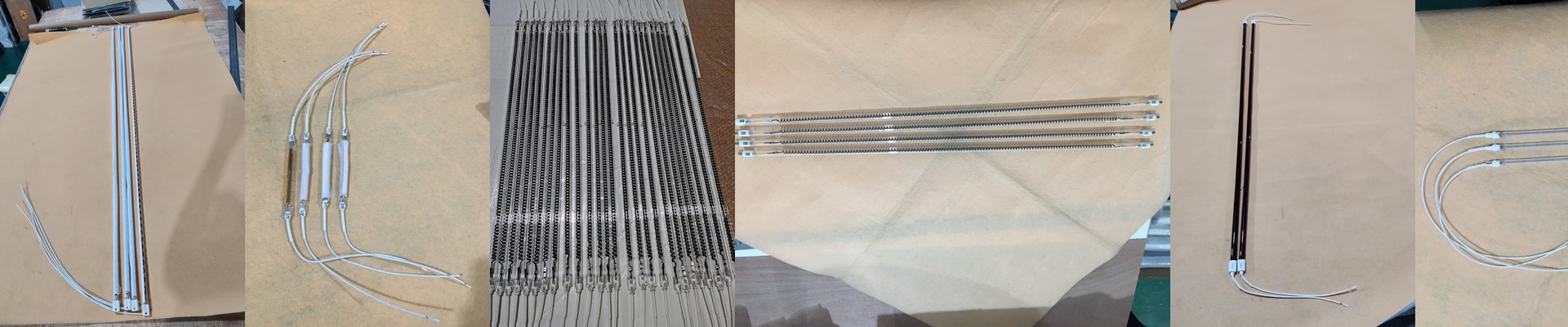
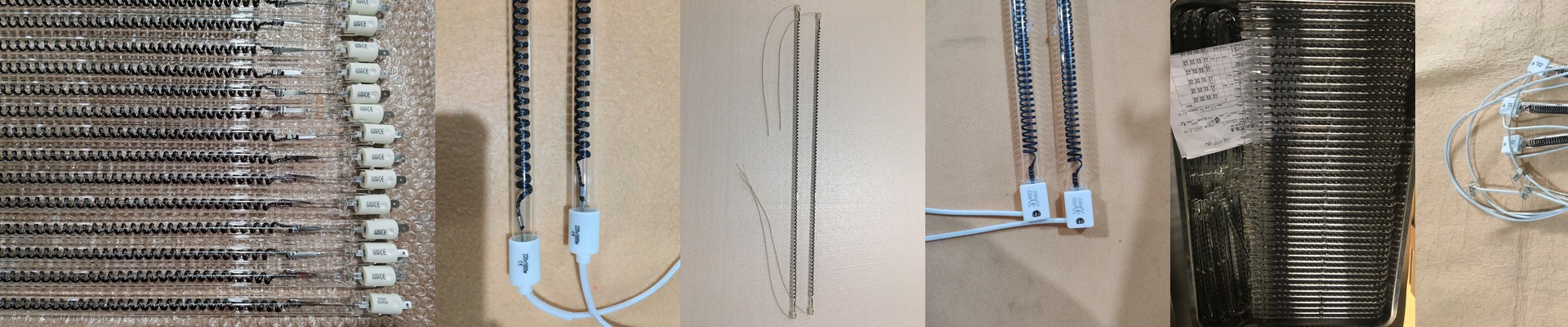
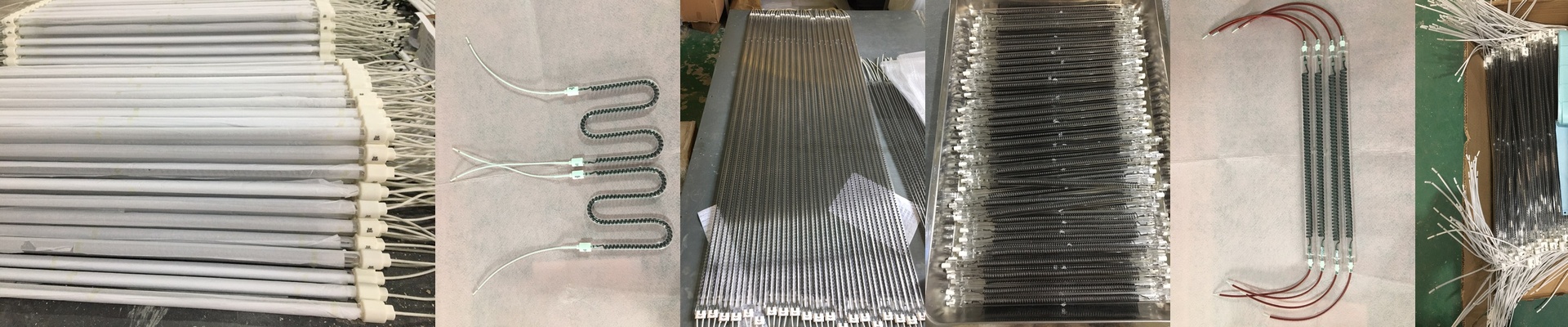
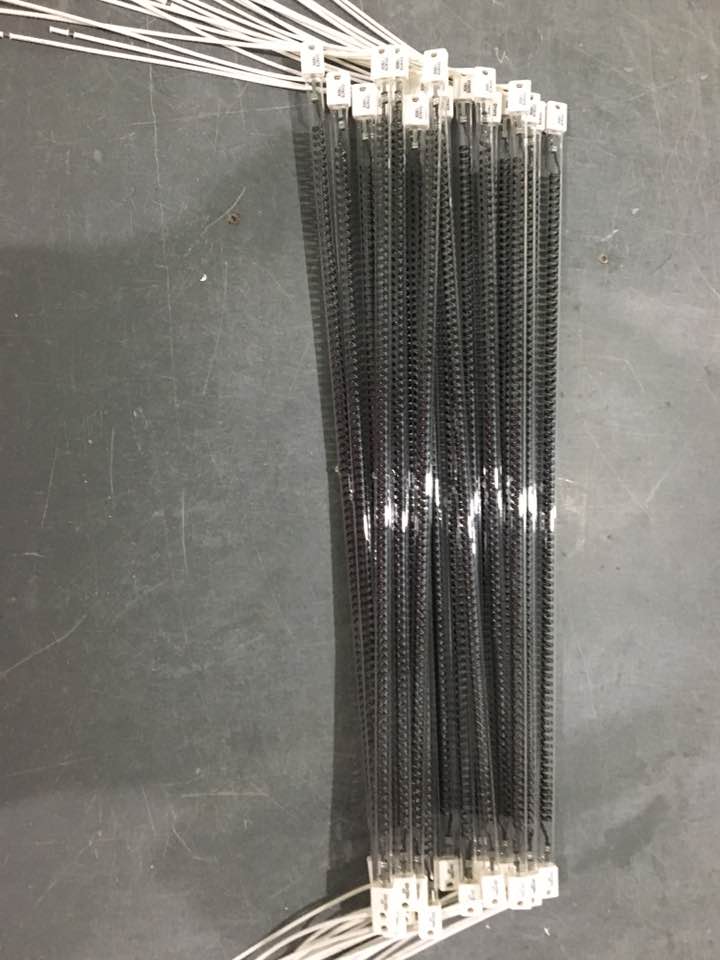
Let’s be honest: traditional metal filament bulbs are a pain. They burn out way too fast, and you’re constantly replacing them. We decided to do things differently. By using a carbon fiber heating element tucked inside a quartz tube, we’ve created a lamp that pushes heat deeper into the food rather than just searing the top. The heat side of things Here is the cool part. Carbon fiber doesn’t get as scorching hot on the surface as tungsten does, but it’s actually better at emitting heat. For you, that means no more worrying about burnt edges or scorched surfaces on your food. If you’re running a high-volume line, just keep an eye on your wattage. Higher wattage gets you back to temperature faster after a cycle, but don’t push the voltage too hard. If you do, you’ll kill the element early. It’s a balancing act. What’s actually inside? We use a carbon fiber weave for the core. It handles the stress of heating up and cooling down much better than metal does. To keep everything from oxidizing, we seal it all in high-purity quartz. Plus, because we aren’t relying on a halogen gas cycle to keep the glass clear, the whole setup is simpler. It also takes up less room in your heating cabinets, which is always a win. Making it work for you You can usually just pop these right into your existing food-warming racks. They work great. The heat feels softer and spreads more evenly across the tray. But, there is one thing to keep in mind. These aren’t like short-wave quartz heaters that snap to full heat the second you flip the switch. There’s a slight lag. If you need an instant thermal shock, these might feel a bit slow for you. But for keeping food warm and steady? They’re exactly what you need.