Let’s Talk Quartz Carbon Fiber Heating Lamps
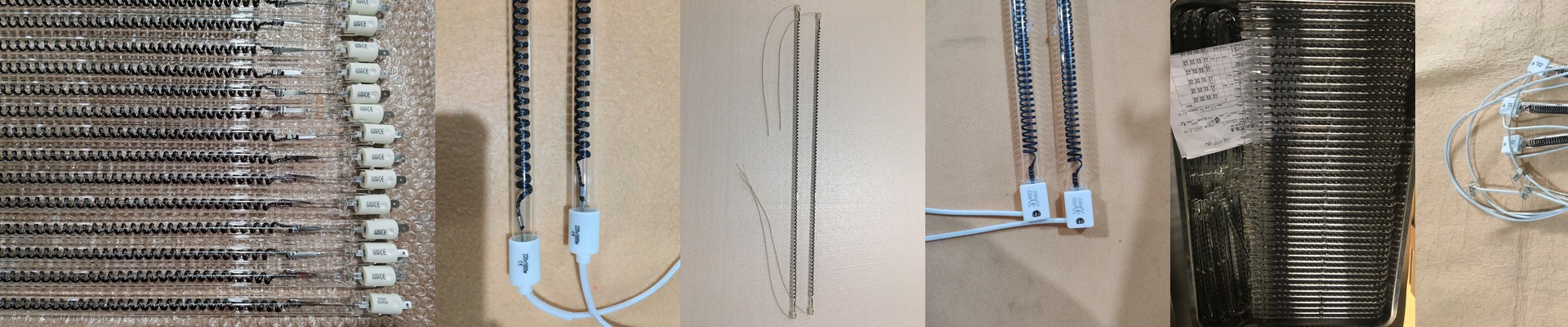
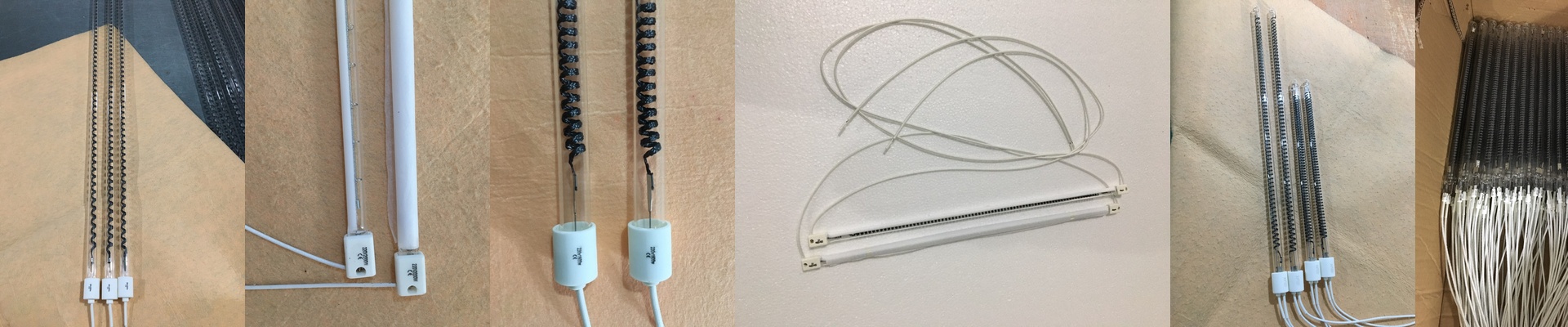
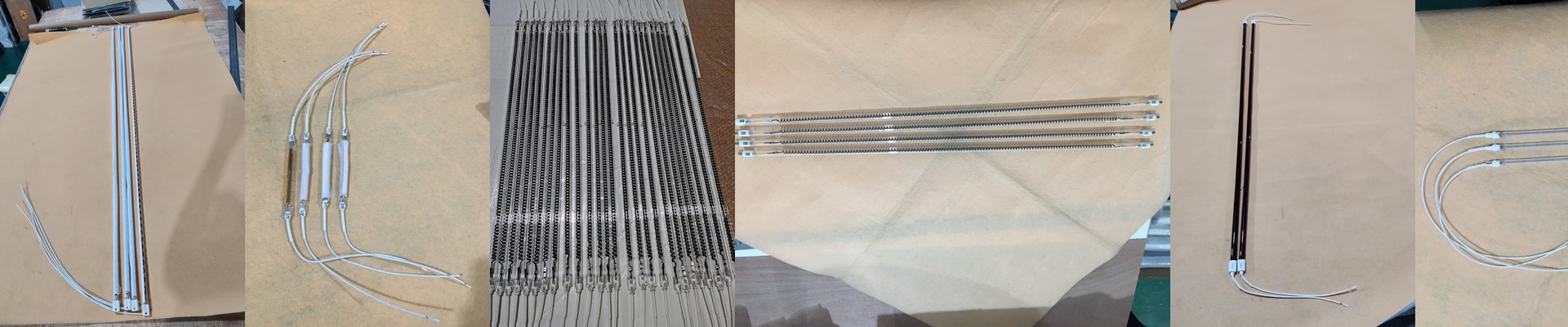
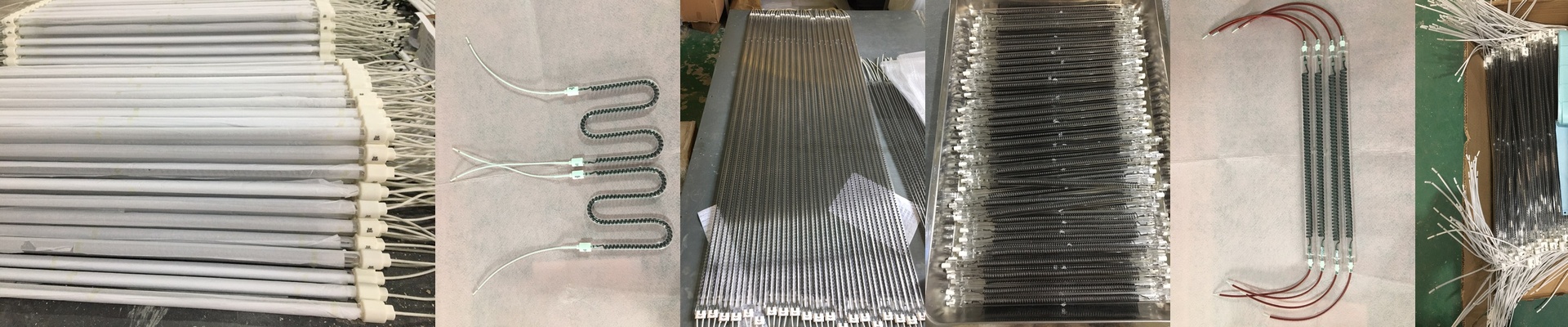
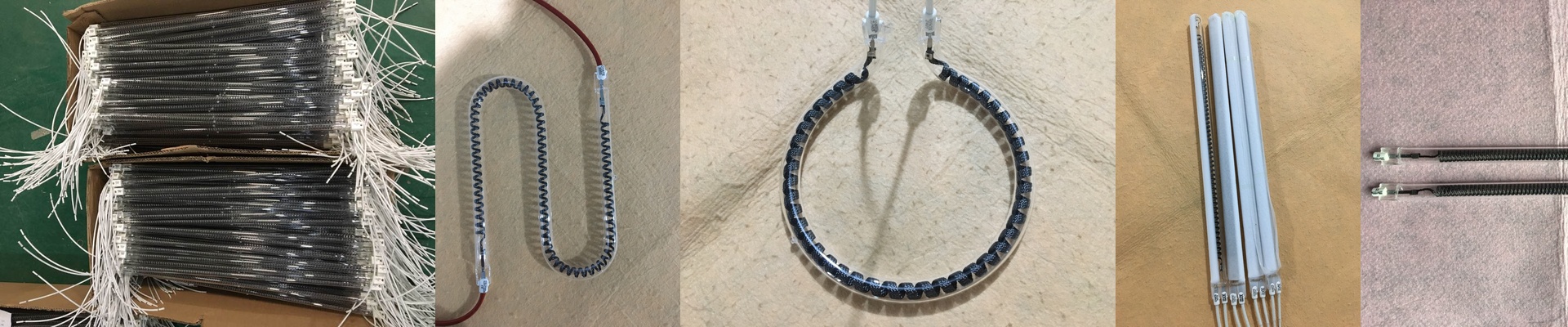
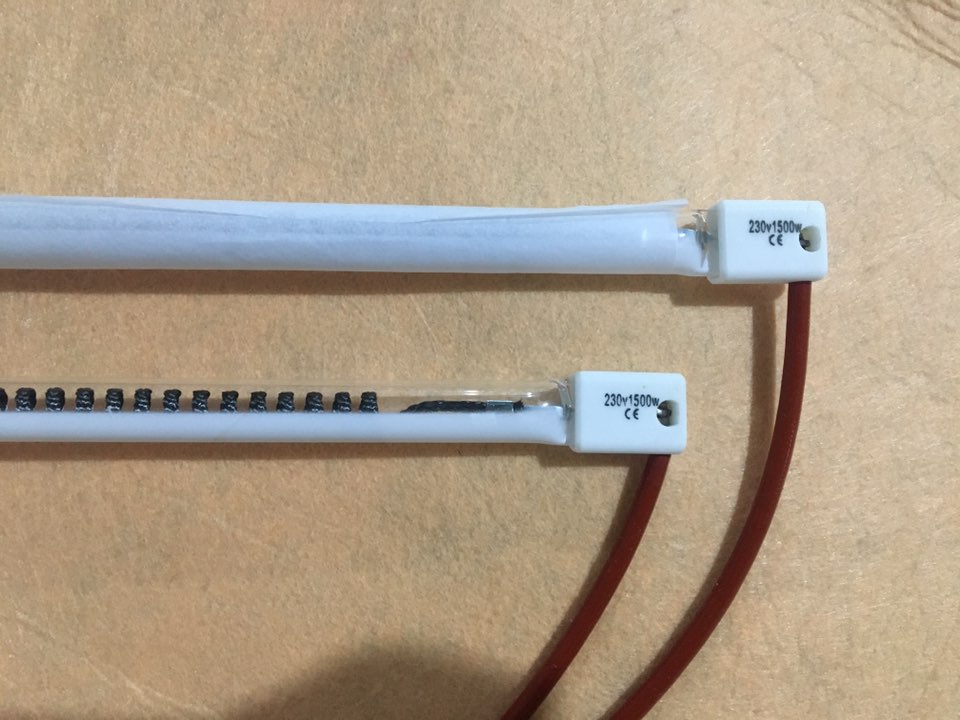
Here is the basic deal: these lamps work by pushing electricity through a carbon fiber filament tucked inside a high-purity quartz tube. Why carbon fiber? Because unlike the old-school metal filaments, this stuff can take a massive amount of heat without warping or giving up. We build these for when you need heat now—not in ten minutes, but instantly. Getting the power right The wattage and voltage are what really drive the heat. If you go with a high-wattage tube, you’re packing a lot of energy into a tiny space. It’s great because you can hit your target temperature in seconds. But here is the catch: you have to make sure your wiring and power supply can actually handle the load. If your voltage starts dipping or jumping around, you’re going to kill the filament a lot faster than you’d like. The build and the bits We use quartz glass for a simple reason: it lets infrared radiation fly right through without soaking it up. Inside, that carbon fiber core keeps the resistance steady. For the connections, we usually stick with R7s or Sk15. They’re basically “plug and play” for most industrial setups. If a lamp burns out, you just swap it for a new one. No need to tear apart your whole chassis or spend an afternoon rewiring everything. Plus, we can add a special coating to some of them. This shifts the heat spectrum, which is a lifesaver if you’re drying or curing something and don’t want to scorch the surface. The trade-offs (The “Watch Out” List) These things are powerful, but they’re also delicate. The quartz tube will crack if you drop it or hit it with a sudden temperature shock. And for the love of everything,**do not touch the glass with your bare hands.**The oils from your skin create these tiny hot spots that will make the tube fail way too early. One last thing—the heat output is intense. Really intense. Make sure your ventilation is up to the task. If you aren’t moving that ambient air, you might find your nearby plastic parts melting into a puddle.