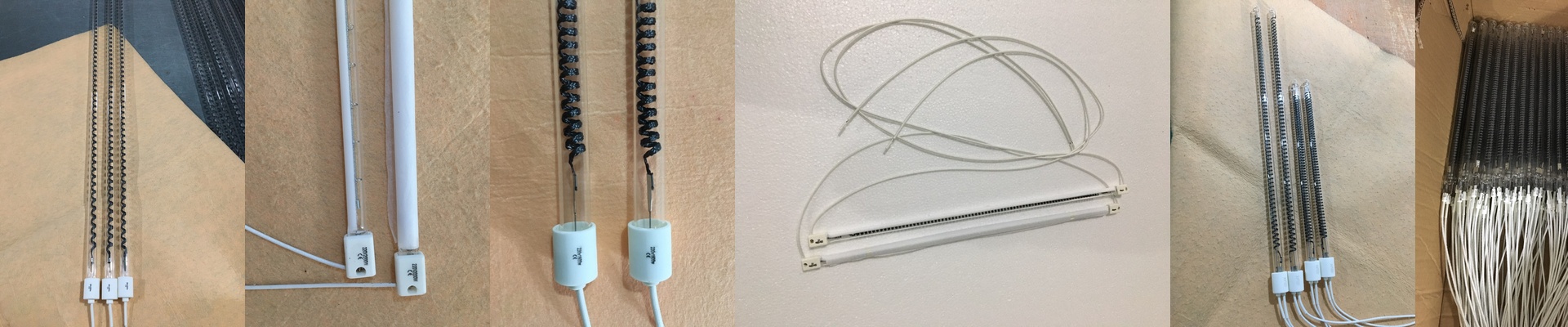
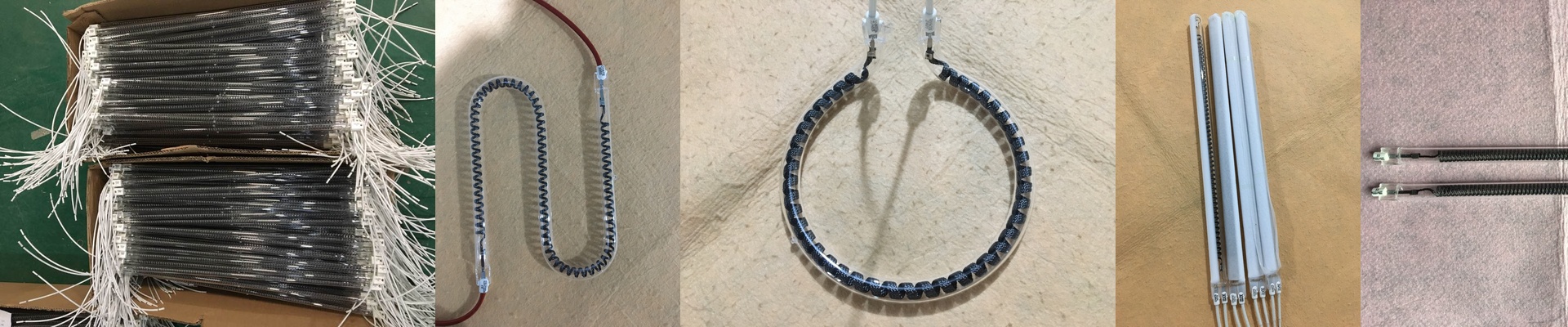
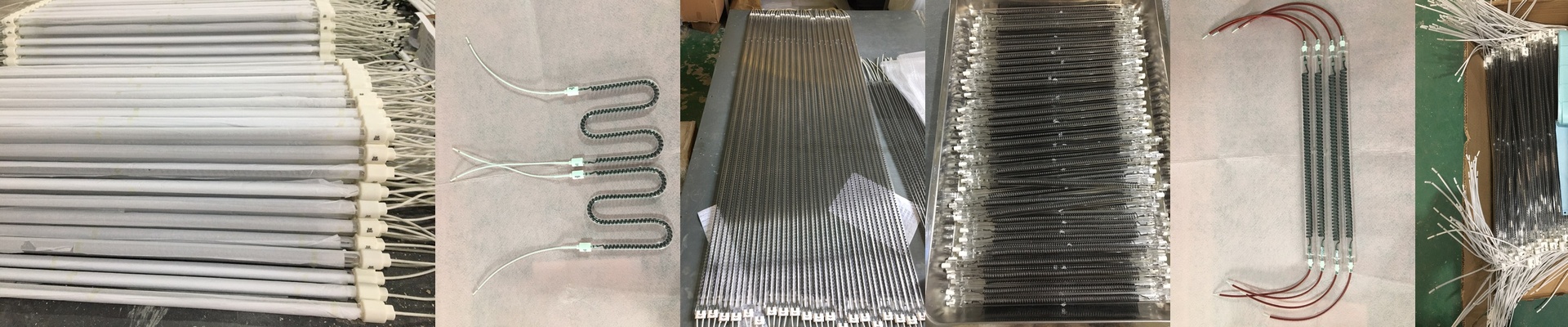
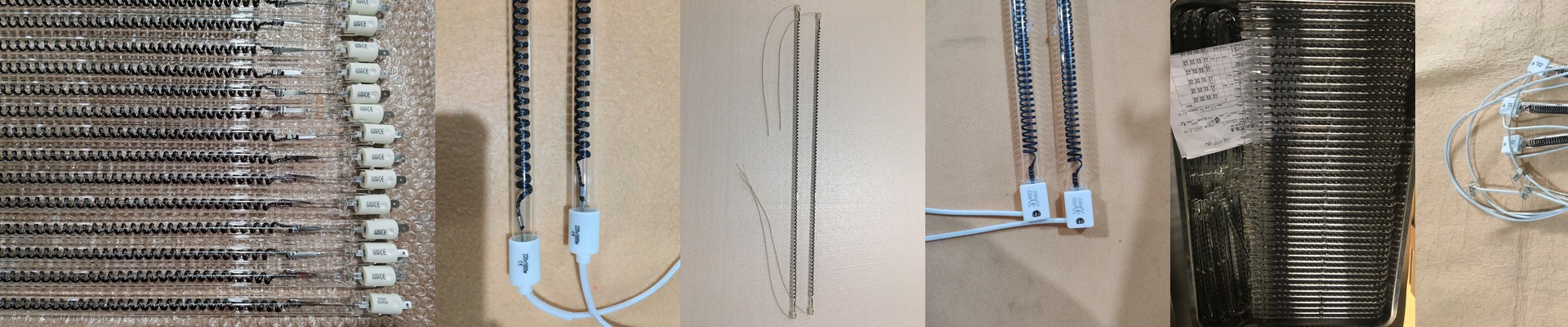
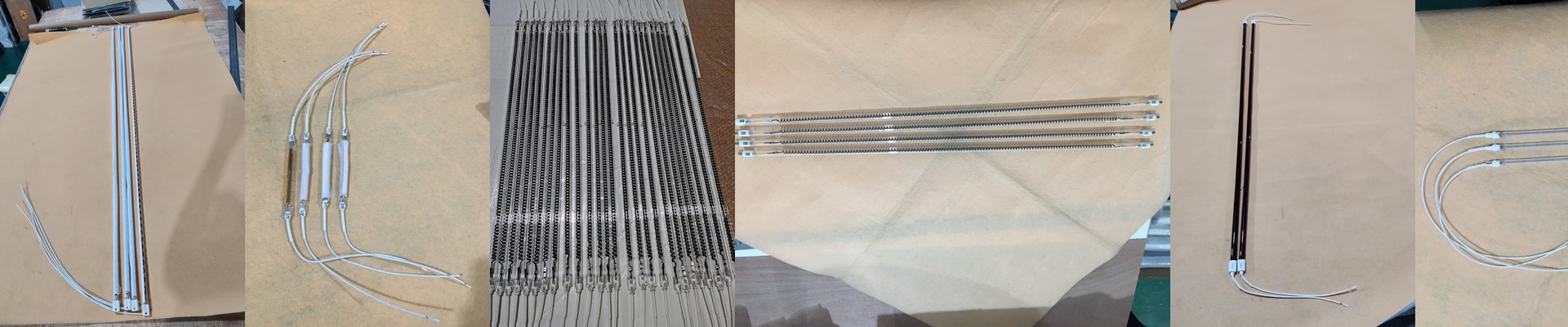
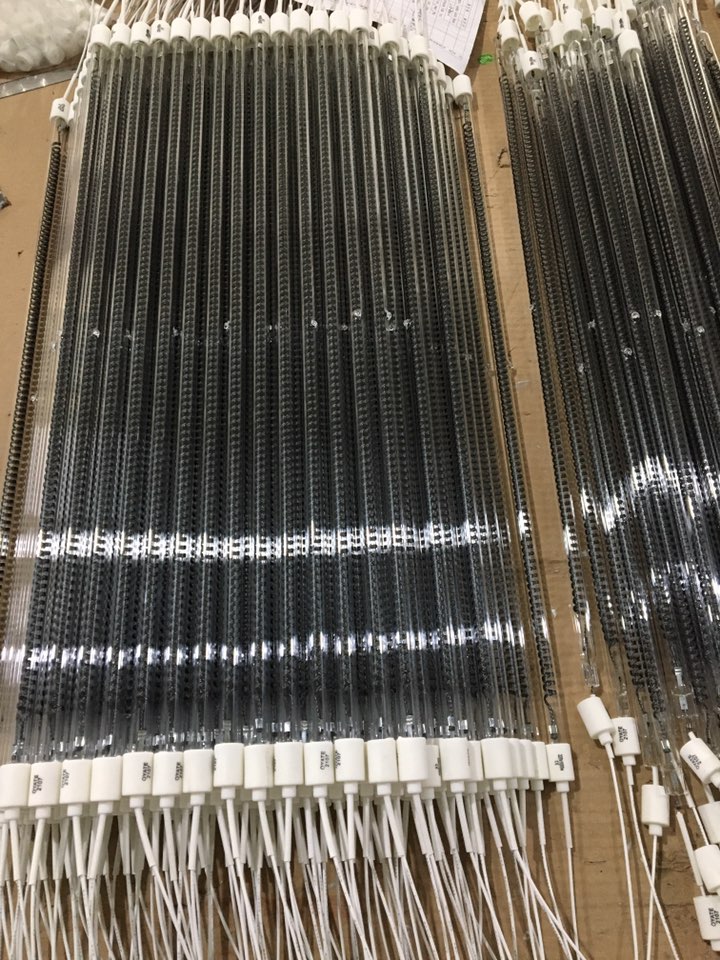
Let’s talk about Carbon Fiber Infrared Quartz Heaters
Standard nichrome wire is fine for some things, but when you’re dealing with high-intensity heat, it just doesn’t cut it. That’s why we build these carbon fiber lamps. We tuck carbon fiber filaments inside a high-purity quartz tube, which changes how the heat hits your target. Instead of just warming the surface, the heat actually penetrates deep. The nitty-gritty on heat and power Here’s the thing: the performance really comes down to how much wattage you pack into the length of the tube. If you go with a high-wattage setup, you get a lot more heat density per centimeter. For you, that means your industrial ovens or PET blowing machines ramp up to temperature way faster. Plus, if you use higher voltage, you can keep your wiring gauges smaller and avoid that annoying voltage drop when you’re running long lines. Why we use these materials We stick with quartz glass for a reason. It can take a massive thermal shock without cracking, and it lets the infrared radiation fly right through without soaking it up. Then there’s the carbon fiber core. It’s a beast. Unlike metal coils that start to sag or warp when things get scorching, carbon fiber stays put. One quick tip: pay attention to the end-cap connectors. You want a tight fit. If it’s loose, you’ll get arcing, and you’ll burn out the socket before you know it. Also, if you need a coated version, we can do that—it just helps the heat match the specific material you’re trying to warm up. A few things to keep in mind These lamps put out a serious amount of heat. Because of that, you’ve got to make sure your cooling system is actually up to the task. If you cram these into a tight space with zero airflow, your lead wires are going to fry. It’s a quick way to kill a perfectly good lamp. They usually slide right into most shortwave systems without a fuss, but just double-check that your power supply can handle that initial surge of current when you flip the switch.