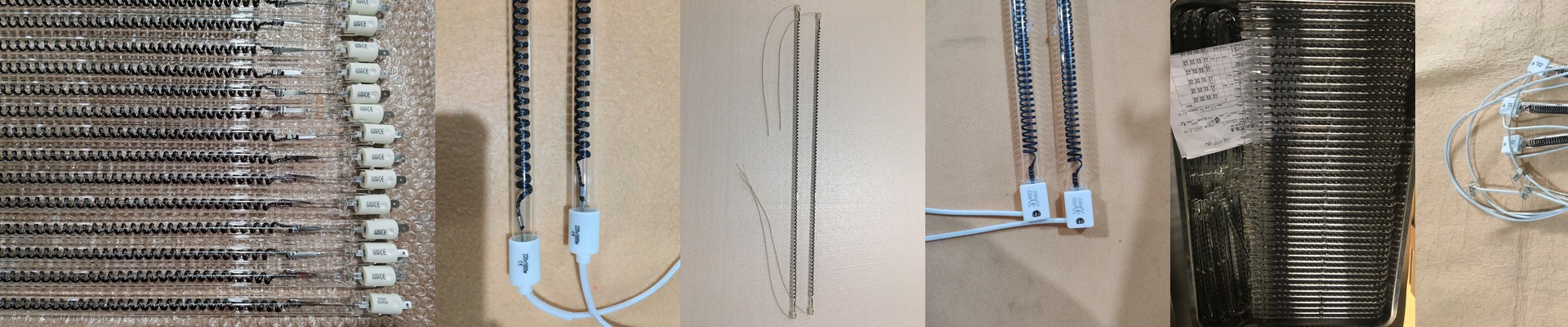
Let’s Talk Carbon Fiber IR Heating Tubes
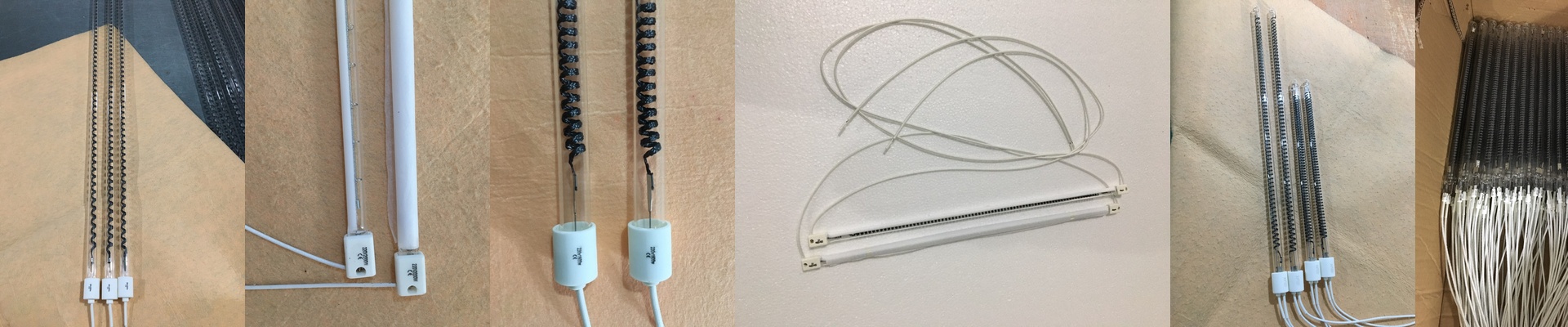
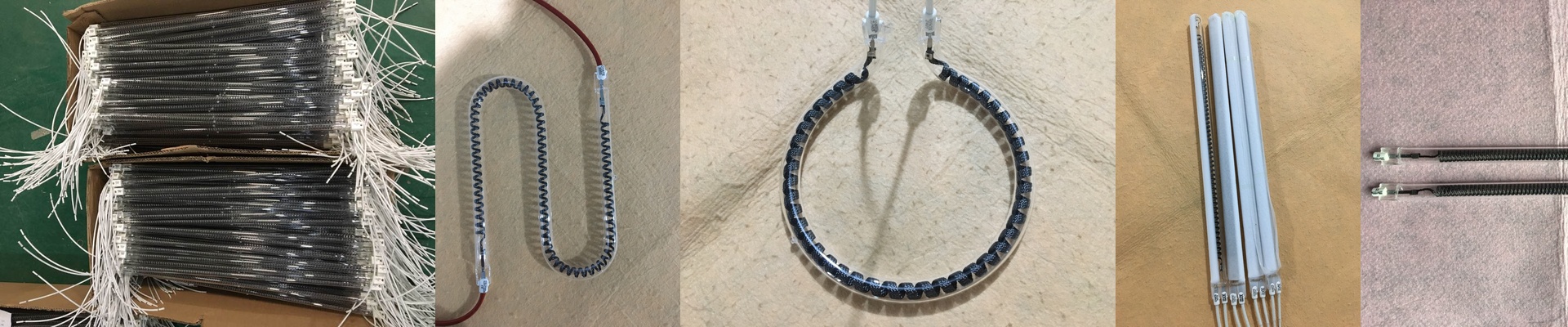
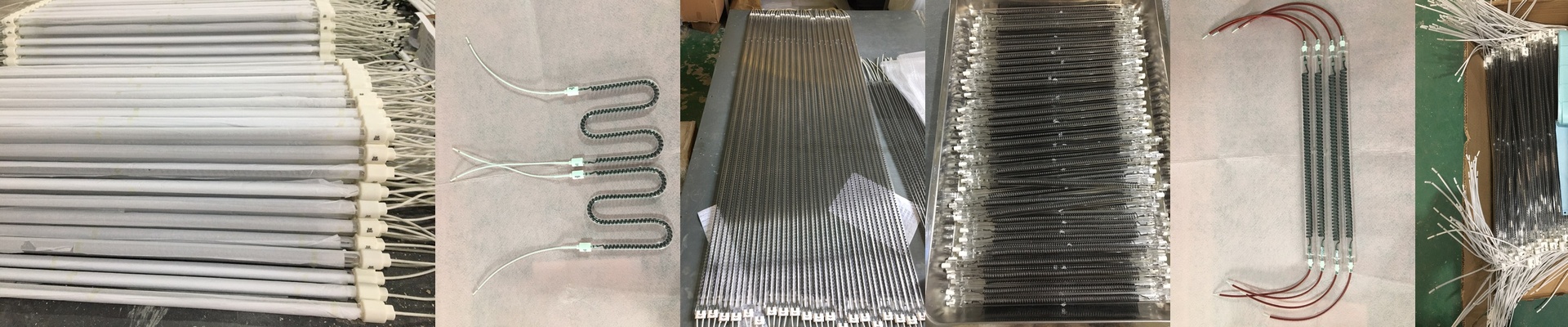
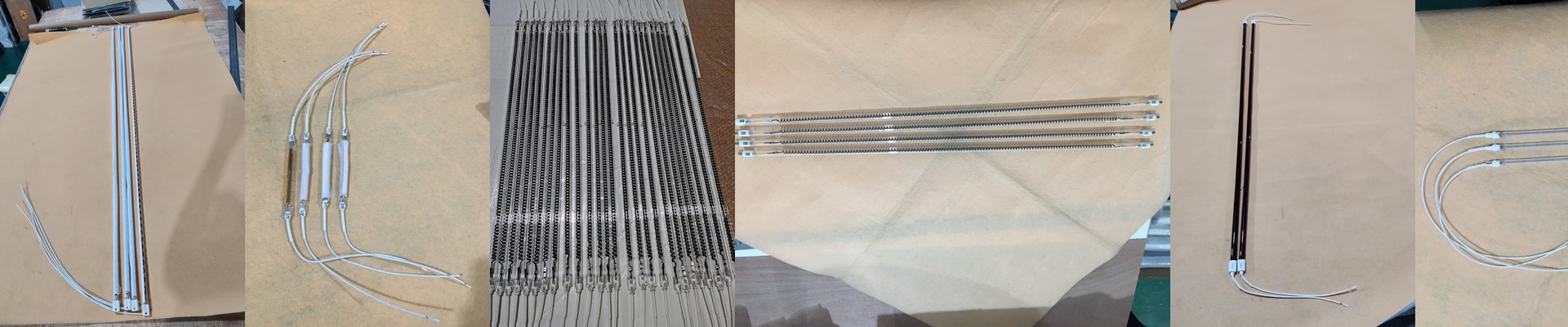
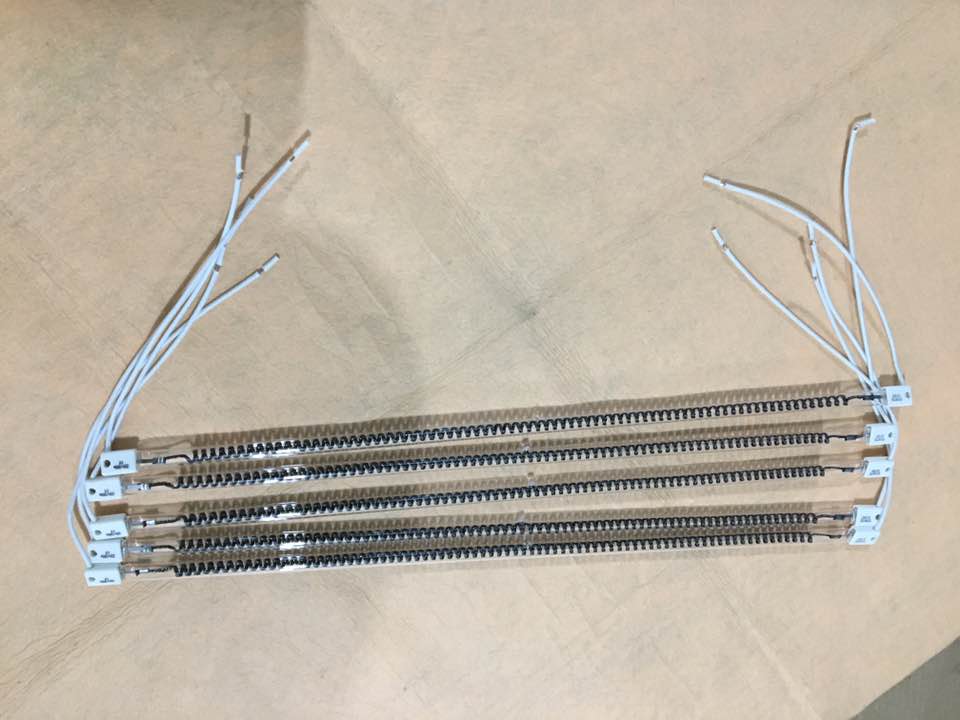
If you’re looking for heat that hits fast and hard, carbon fiber IR tubes are where it’s at. Basically, we take a carbon fiber filament, tuck it inside a quartz envelope, and let electricity do the heavy lifting. It turns power into radiant heat almost instantly. It’s a whole different beast compared to those old-school metal coil heaters. The Power Stuff We design these things to pack a ton of wattage into a tiny space. Now, how much punch you get depends on the thickness of the quartz and the diameter of the filament. If you’re running longer tubes, high-voltage setups are your best bet so you aren’t fighting a massive current draw. But a word of caution: keep your power supply steady. One bad voltage spike and your filament is toast. Just a quick tip—if you’re planning a high-output line, double-check your transformer capacity before you pull the trigger. What’s Under the Hood? Inside, you’ve got a woven carbon fiber core. We seal that in high-purity quartz so the whole thing doesn’t just oxidize and disappear. Some of our tubes have a gold or aluminum coating on the inside. Think of it like a mirror; it bounces the heat forward right onto your target. It’s way more efficient because you aren’t wasting energy heating up the air behind the tube. For the connections, we stick with R7s or Sk15 bases. Why? Because they’re a breeze to swap out. You can just drop a new one in without having to rewire your entire setup. Making it Work in the Real World You’ll see these all over the place in PET blowing and plastic curing. The ramp-up time is incredible. It’s fast. Really fast. And that means your cycle times drop, which keeps the line moving. But here’s the thing: that intense heat makes the quartz a bit temperamental. If you’re rough with them during installation or if the cooling is uneven, they can crack. To keep things running smooth, use heat-resistant leads and keep your reflectors polished. It sounds like a small detail, but a dirty reflector can kill your efficiency by 20%. Keep them shiny, and your thermal profile will stay right where it needs to be.