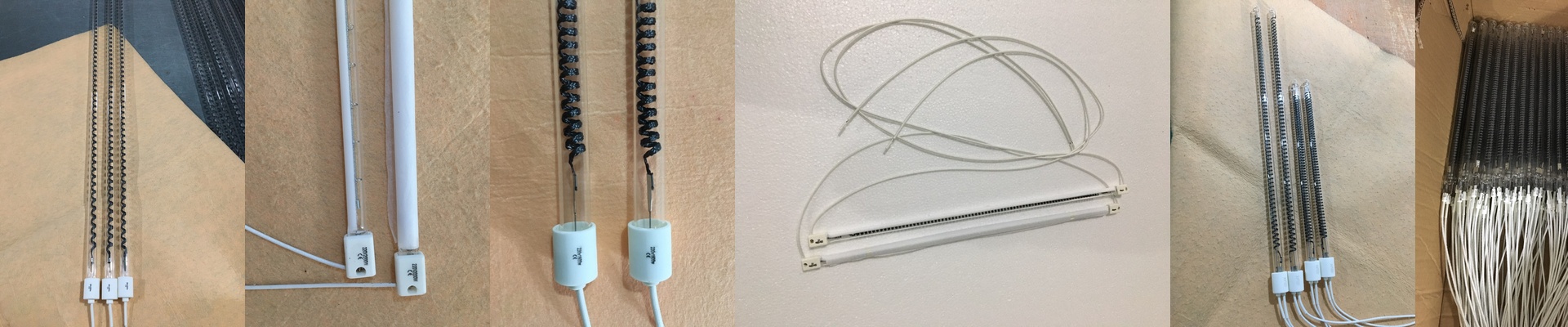
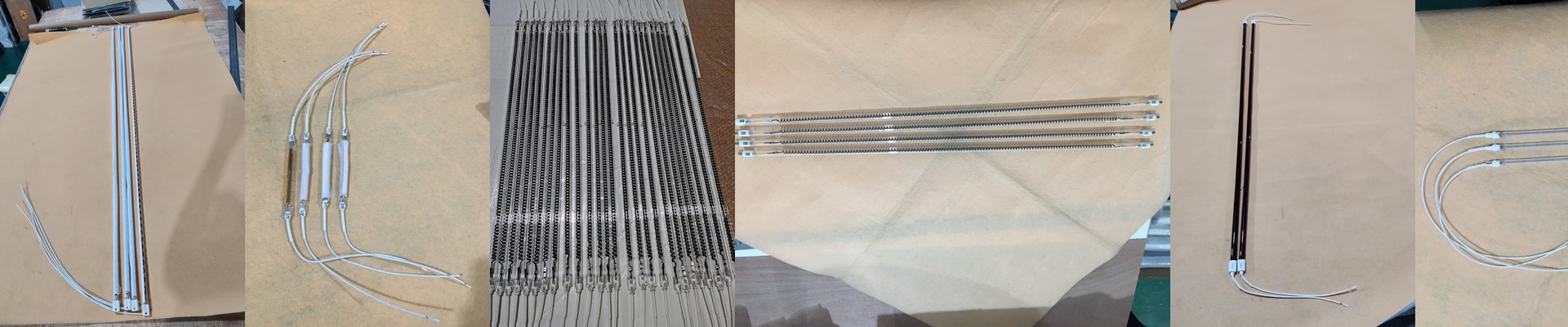
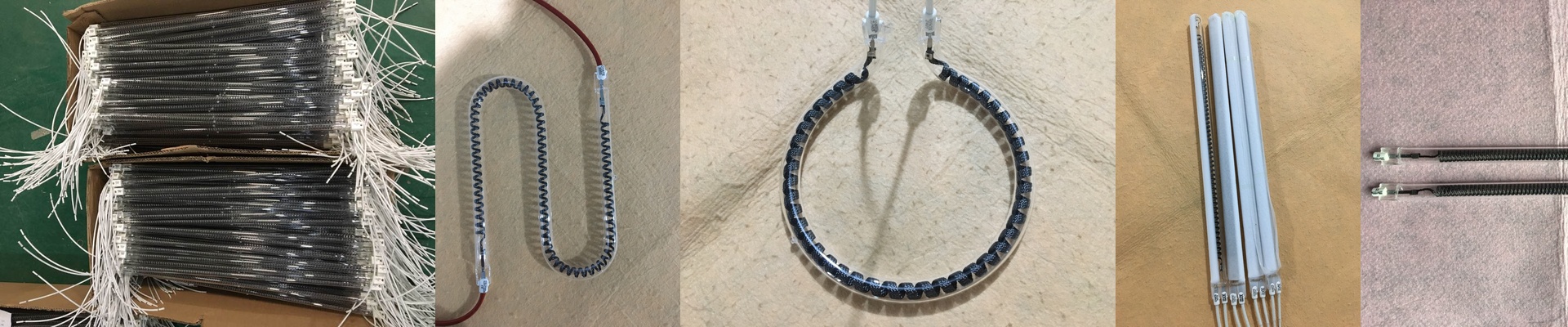
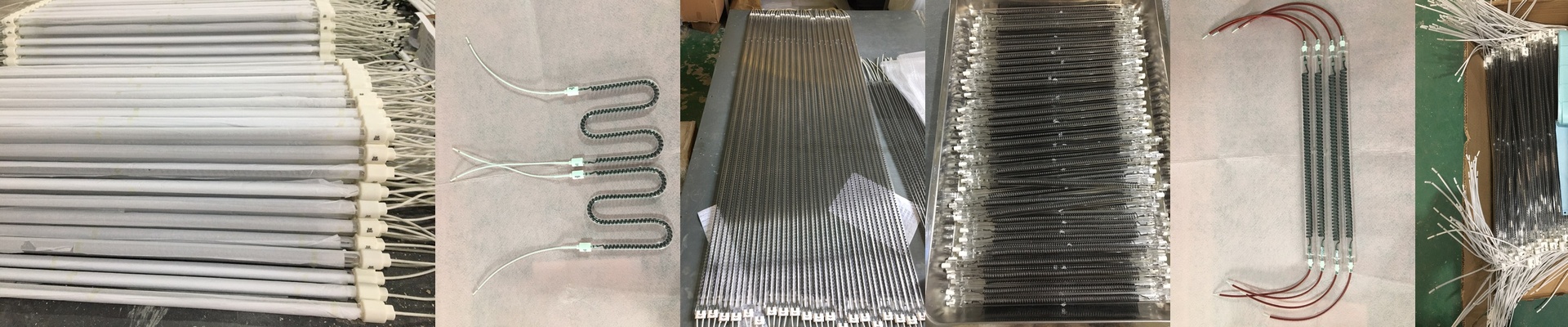
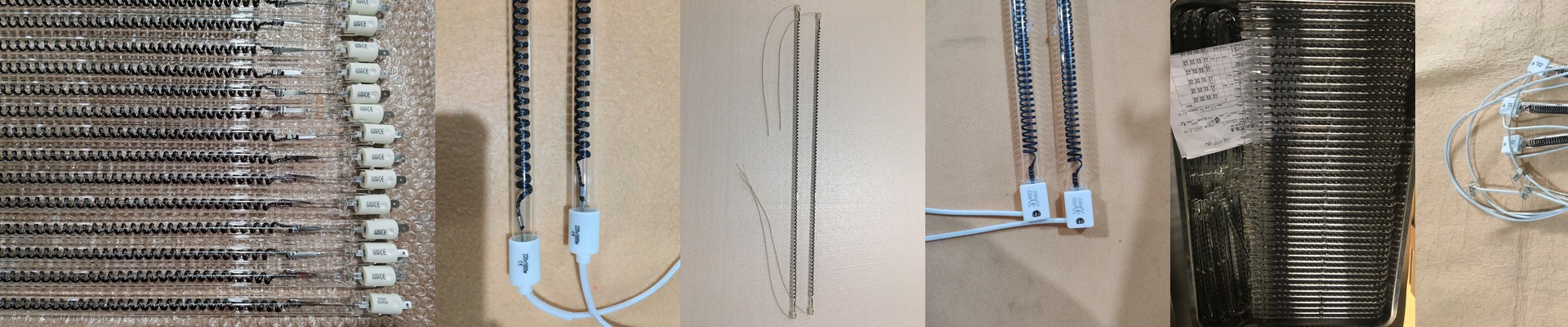
Let’s Talk About Infrared Carbon Emitters
Ever wonder why some industrial heaters just feel… clunky? Most old-school metal coil heaters spend half their energy warming up the air around them before they even touch your product. It’s a waste. Carbon emitters do things differently. We use a carbon fiber filament tucked inside a quartz tube. Instead of heating the room, they beam heat directly onto your material. It’s precise, it’s fast, and it just makes sense.
Getting the Power Right
When we’re building these, it all comes down to your machine’s footprint. If you go for a high-wattage tube, you’re basically packing more heat into every square inch. The upside? Your curing or drying lines ramp up way faster. But here’s the thing: you’ve got to be careful with your power supply. Whether you’re running a standard 230V or something more specialized, if the voltage doesn’t match, you’ll burn out that filament in no time. Also, if you’re cramming a lot of power into a short tube, it getsintense. Make sure your housing has plenty of airflow, or you’ll end up overheating your entire chassis.
The Nitty-Gritty of the Build
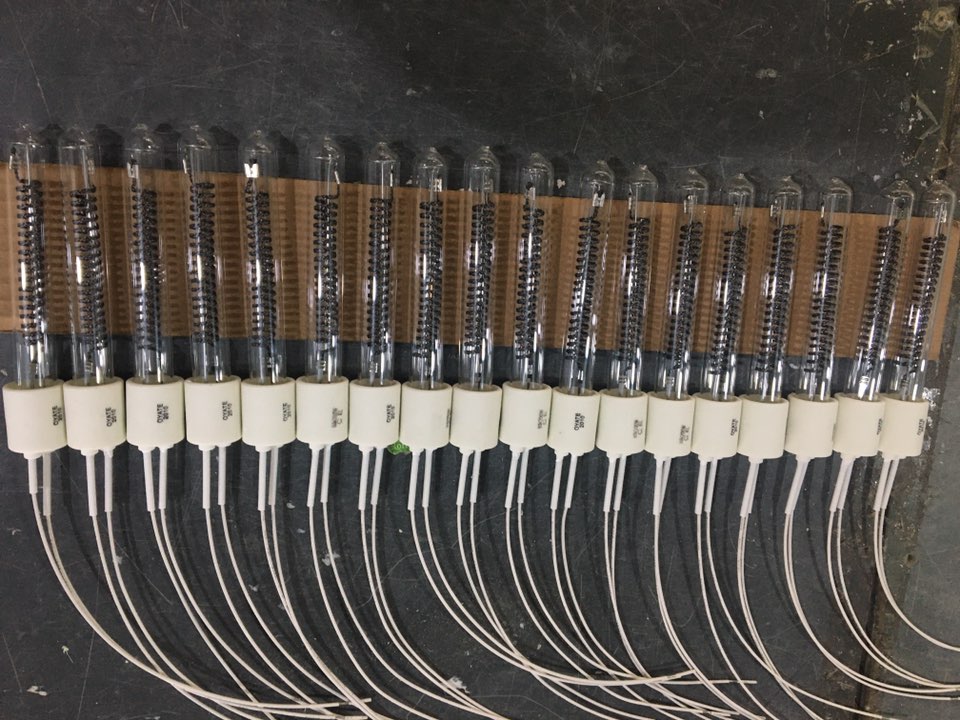
The quartz tube isn’t just there for looks—it keeps the carbon from oxidizing. To keep everything running smoothly, we use specific end-caps like R7s or SK15. Don’t ignore a loose connection. A shaky fit leads to arcing, and arcing kills the lamp. Simple as that. Some of our tubes even come with a special coating. This helps “tune” the heat so it hits the surface of your part rather than soaking deep into the material where you don’t want it.
Putting Them to Work
You’ll see these all over the place—PET blowing, powder coating, plastic welding. If you’re still using old halogen lamps, these are a great swap. They last longer and the wavelength is just… better. They hit the target almost instantly. Just a heads-up: if you’re pushing high power density, don’t flip the power on and off too aggressively. That thermal shock can be brutal. And for heaven’s sake, use high-temp leads. Nothing ruins a day like smelling melted insulation because you used the wrong wiring.