Let’s Talk Far Infrared Carbon Fiber Heating Tubes
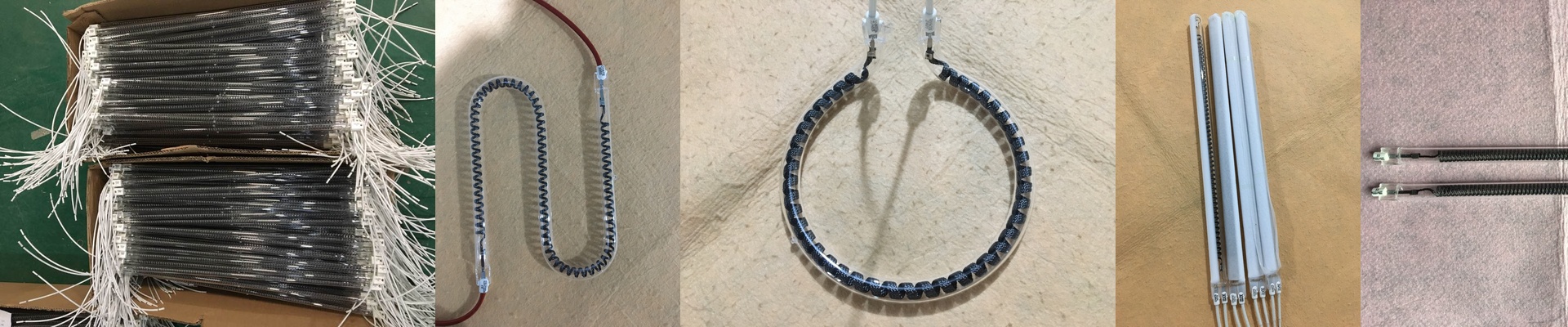
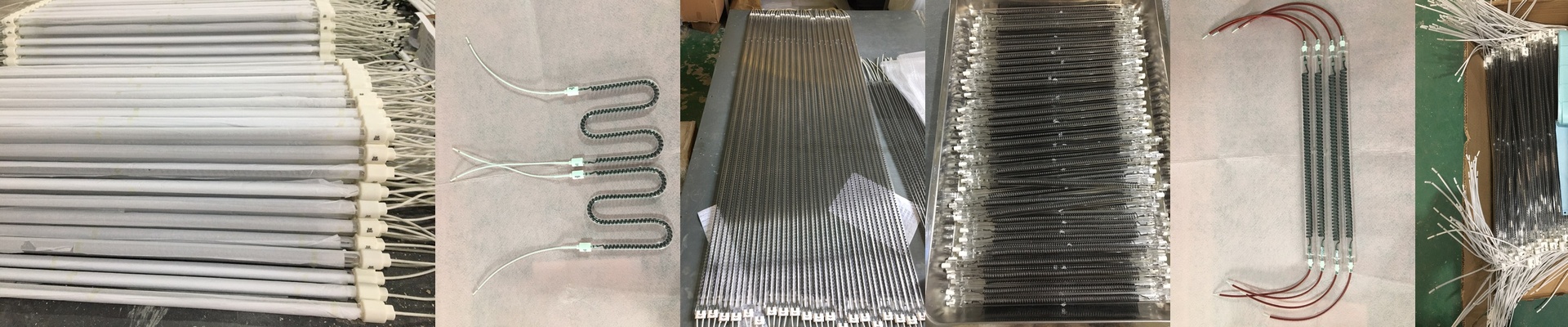
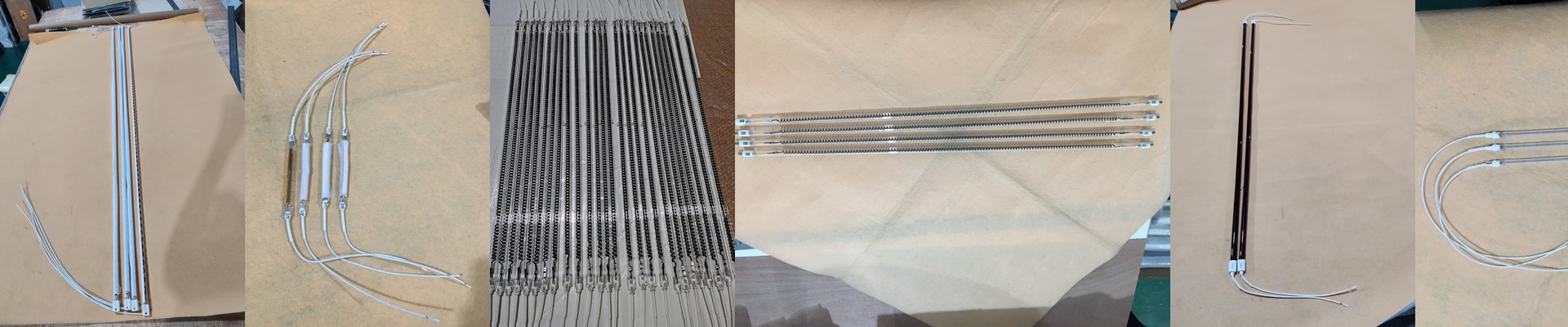
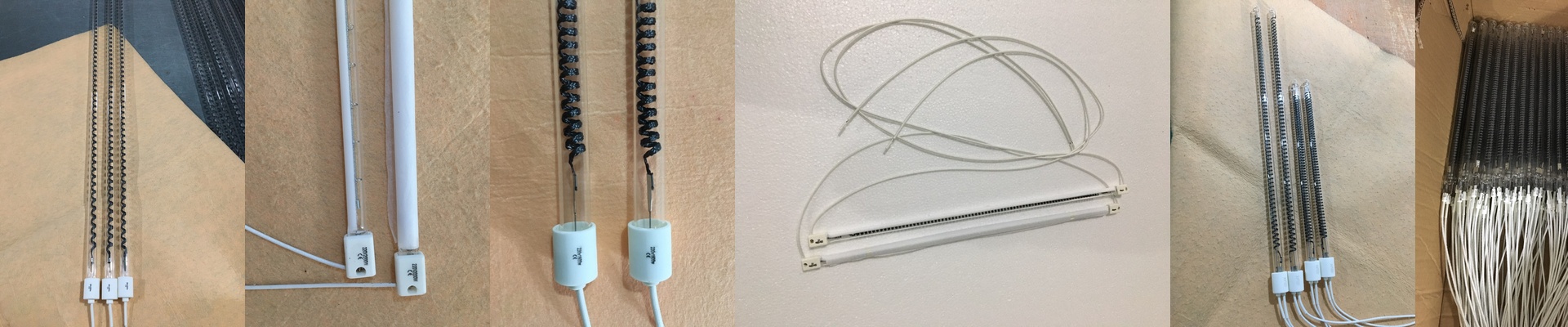
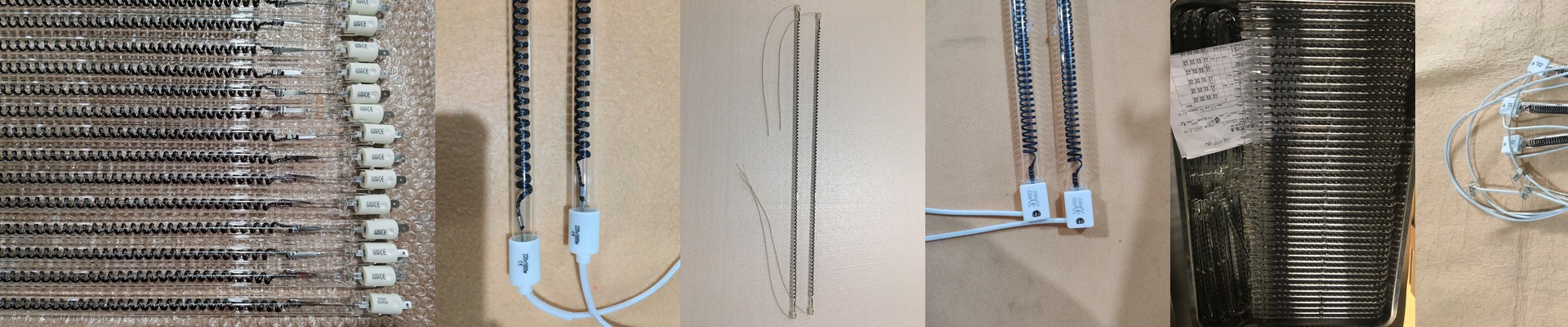
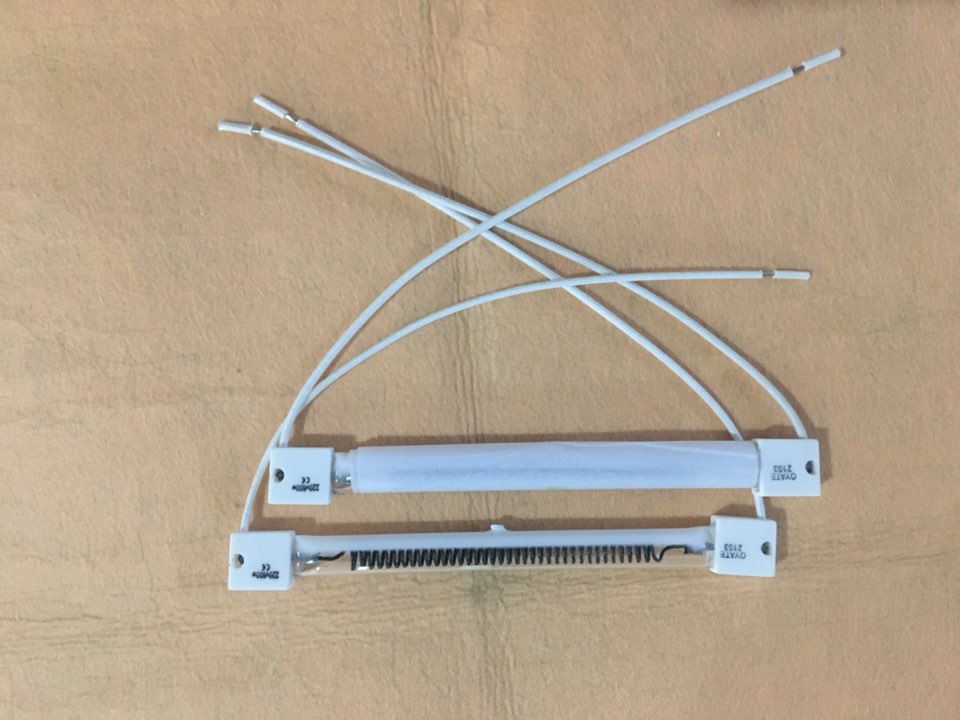
Here is the deal with how we build these: we take carbon fiber filaments and tuck them safely inside quartz tubes. If you’ve used old-school metal alloy coils, you know the struggle. They sag. They burn out. It’s a pain. But carbon fiber? It handles high current way better. Plus, it pushes the heat into that long-wave infrared range. That’s the secret sauce that lets the heat actually sink into plastics and organic materials instead of just bouncing off the surface. Getting the power right You’ve got to be careful with your voltage and wattage. Match them up with your power supply, or you’re just asking to blow a circuit. The high-wattage tubes are great because they heat up incredibly fast in a tiny space. But here’s the catch: they get hot. Like, really hot. Make sure your housing has plenty of ventilation. If you trap that heat around the end caps, you’re basically killing your lamp’s lifespan. The build and the “gotchas” The quartz shell is there to keep the carbon from oxidizing. We use some pretty heavy-duty sealants at the electrodes to keep gas from leaking in. When it comes to hooking them up, we can do slide-in connectors or hard-wired leads—whatever fits your rig. Just make sure those contact points are tight. A loose connection leads to arcing, and that will fry the ends of your lamp in no time. One thing I love about carbon fiber is that it doesn’t hold onto heat like tungsten does. It means these lamps hit your target temperature almost instantly. Using them in the real world You’ll see these all over the place—PET blowing, curing paint, drying lines. If you’re still using those clunky old ceramic heaters, these are a great swap. You’ll notice your cycles get faster and your power bill drops. But, a word of warning:be gentle. Quartz is fragile. If your machine is shaking like crazy, or if you touch the glass with oily fingers, it can crack under the heat stress. Just double-check that your mounting brackets are lined up perfectly so there’s no weird pressure on the tube. Keep it loose, keep it clean, and they’ll treat you right.