Why 99.99% Quartz Purity Actually Matters for Your IR Heaters
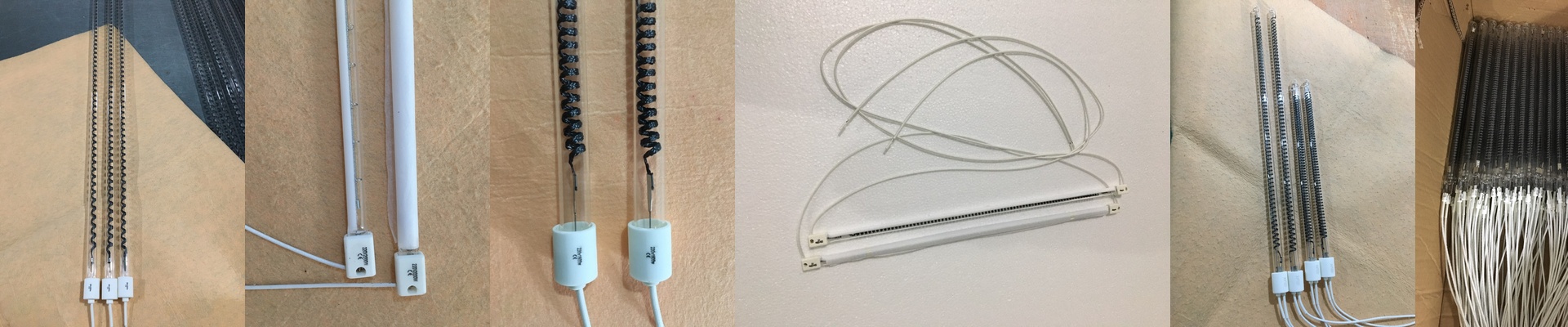
If you’re working on smart grid electronics or precision heating arrays, you know the glass envelope is doing a lot more than just holding things together. It’s essentially a filter. Now, most quartz tubes look identical. But there’s a massive difference between 95% purity and 99.99% purity. It all comes down to how much heat actually makes it to your target. The heat bottleneck Here’s the thing: low-purity quartz is full of metallic junk—mostly aluminum and iron. These impurities act like sponges for infrared radiation. Instead of the heat passing straight through the glass, the glass itself starts soaking it up and heating up. That’s where we run into a bottleneck. By using 99.99% high-purity synthetic quartz, we clear out those absorption bands. The photons have a straight shot. The best part? You can actually run your lamp at a lower wattage and still hit the same surface temperature on your workpiece. Avoiding the “burn out” Purity isn’t just about efficiency; it’s about whether your gear survives. When you have impurities in the glass, you get these tiny, localized hot spots. Over time, the glass expands and contracts, and those spots turn into micro-cracks. I’ve seen plenty of cheap tubes just give up and shatter because they couldn’t handle the stress. High-purity quartz spreads the heat evenly. It can take a real beating in high-cycle environments without cracking. The catch Of course, there’s a trade-off. Pure quartz costs more. It’s also a bit “diva” when it comes to contamination. If you touch the tube with oily fingers while installing it, those oils bake right into the surface. It creates a permanent burn-in spot that kills the heat flow and can eventually crack the tube. Seriously—grab some isopropyl alcohol and lint-free wipes before you wire it up. If your process needs tight temperature control, don’t try to save a few bucks on the material. The money you “save” on a cheaper tube usually disappears into higher electricity bills and the headache of unexpected downtime.