Getting Heat Right in Quantum Chip Fab
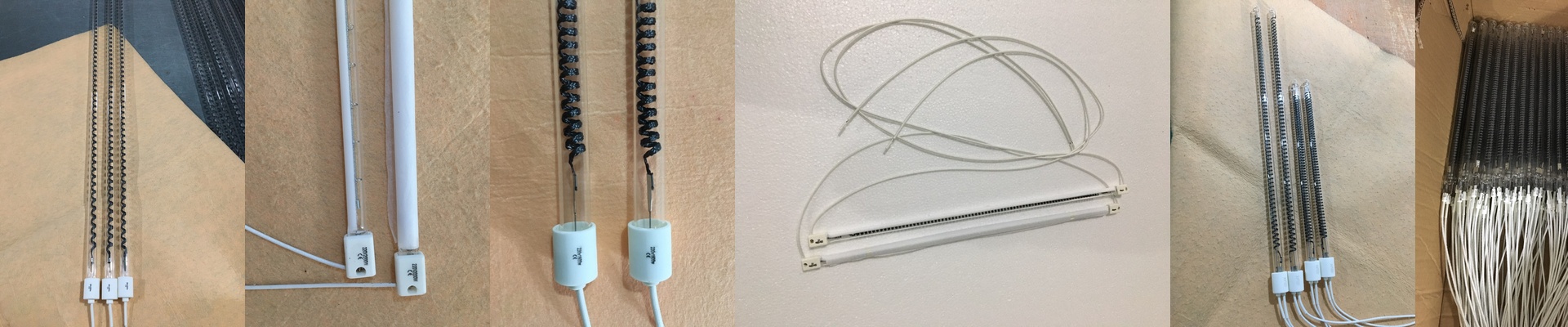
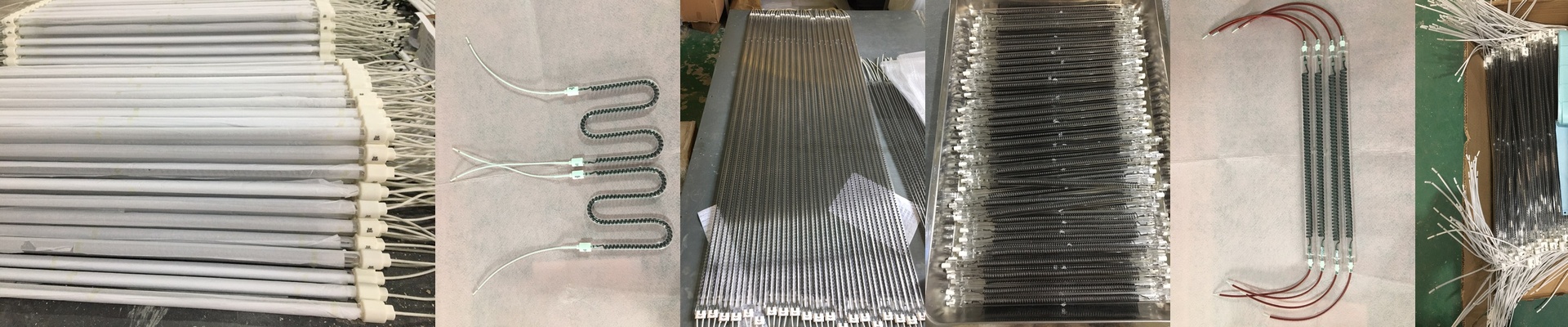
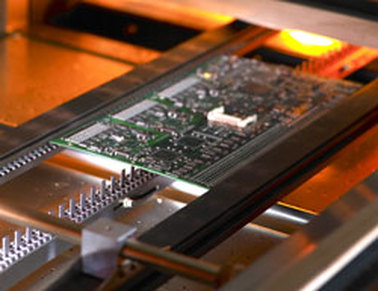
If you’ve ever tried using a standard convection oven for quantum chip manufacturing, you know the struggle. They just aren’t precise enough. When you’re dealing with this kind of tech, “close enough” doesn’t cut it. That’s why we lean on shortwave infrared (IR) heating lamps. Instead of heating up the entire room or chamber just to get the chip warm, these lamps beam heat directly onto the substrate. It’s a much cleaner, more direct way of doing things.
Speed is Everything
Quantum materials are finicky. They have these tiny “thermal windows”—basically, a very narrow range where they behave—and if you miss that window, you’re in trouble. We use high-wattage quartz filaments because they hit those temperature set-points in seconds. It’s fast. Really fast. And that saves you from “thermal soak,” which is just a fancy way of saying your delicate wafers start warping because they stayed hot for too long.
The Nitty-Gritty on Materials
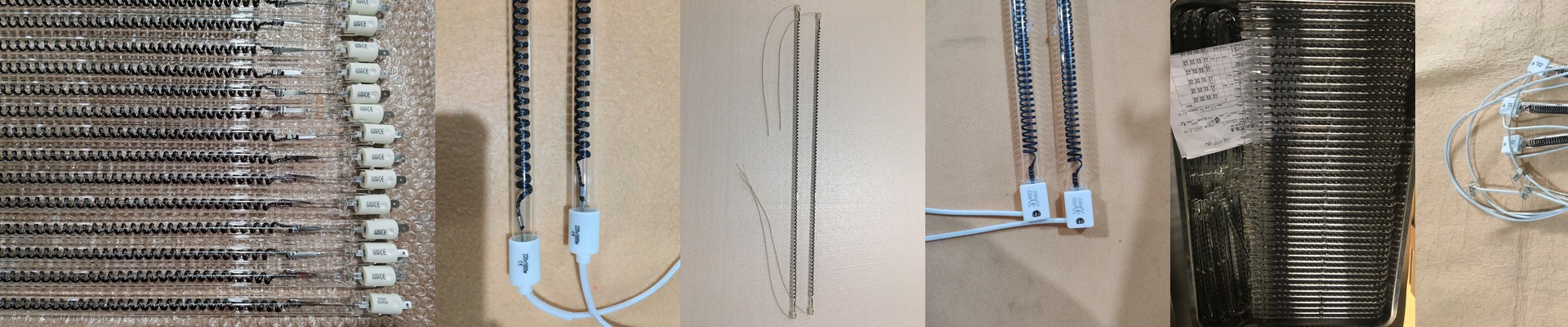
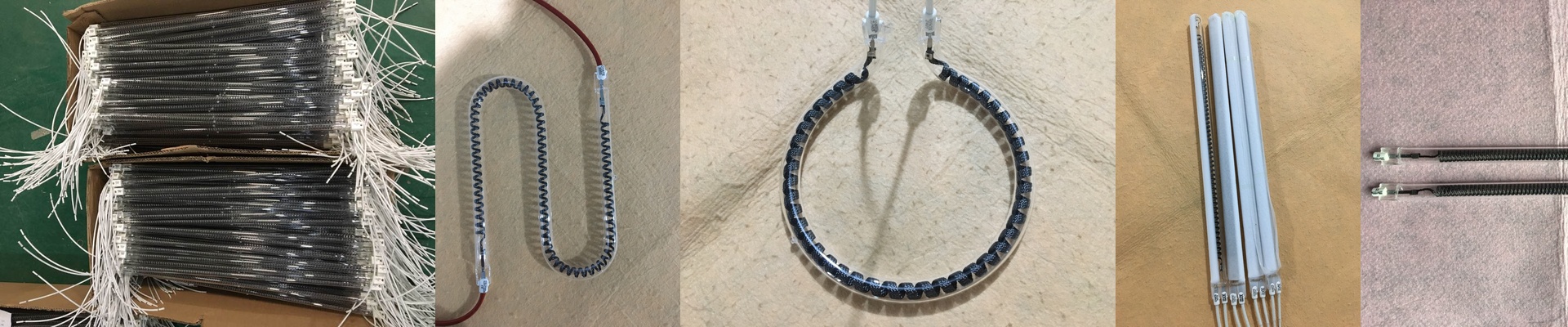
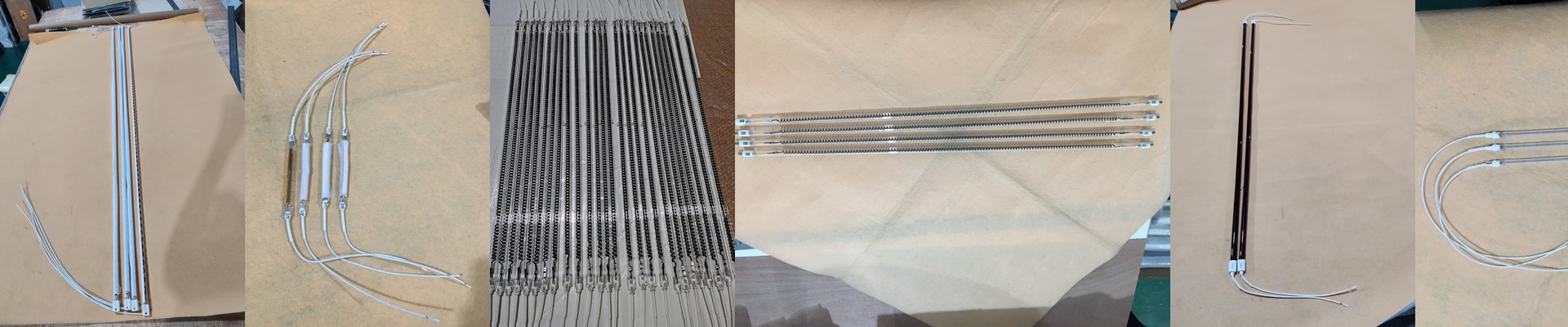
We house the tungsten filaments in high-purity quartz glass. Why? Because the last thing you want in a cleanroom is the lamp “outgassing” or leaking contaminants onto your work. Depending on your setup, you might see gold or aluminum coatings. These act like mirrors, bouncing the heat right back onto the chip to make the process more intense. But here is the catch: you have to keep an eye on your voltage. A single power spike can pop a filament instantly. Plus, if you’re running these high-wattage tubes, make sure your cooling system can actually handle the leftover heat. If it can’t, your thermal profile will start to drift, and you’ll be chasing your tail trying to fix it.
Putting it into Practice
The great thing about these lamps is that they just fit. Whether you’re using R7s or ceramic connectors, they’re designed to slide right into standard IR arrays. From baking photoresist to precise annealing, these heaters do the heavy lifting. You get a much smaller footprint than some massive vacuum oven, and you actually have a handle on the heat flux. It just makes the whole workflow feel a lot less like a gamble.